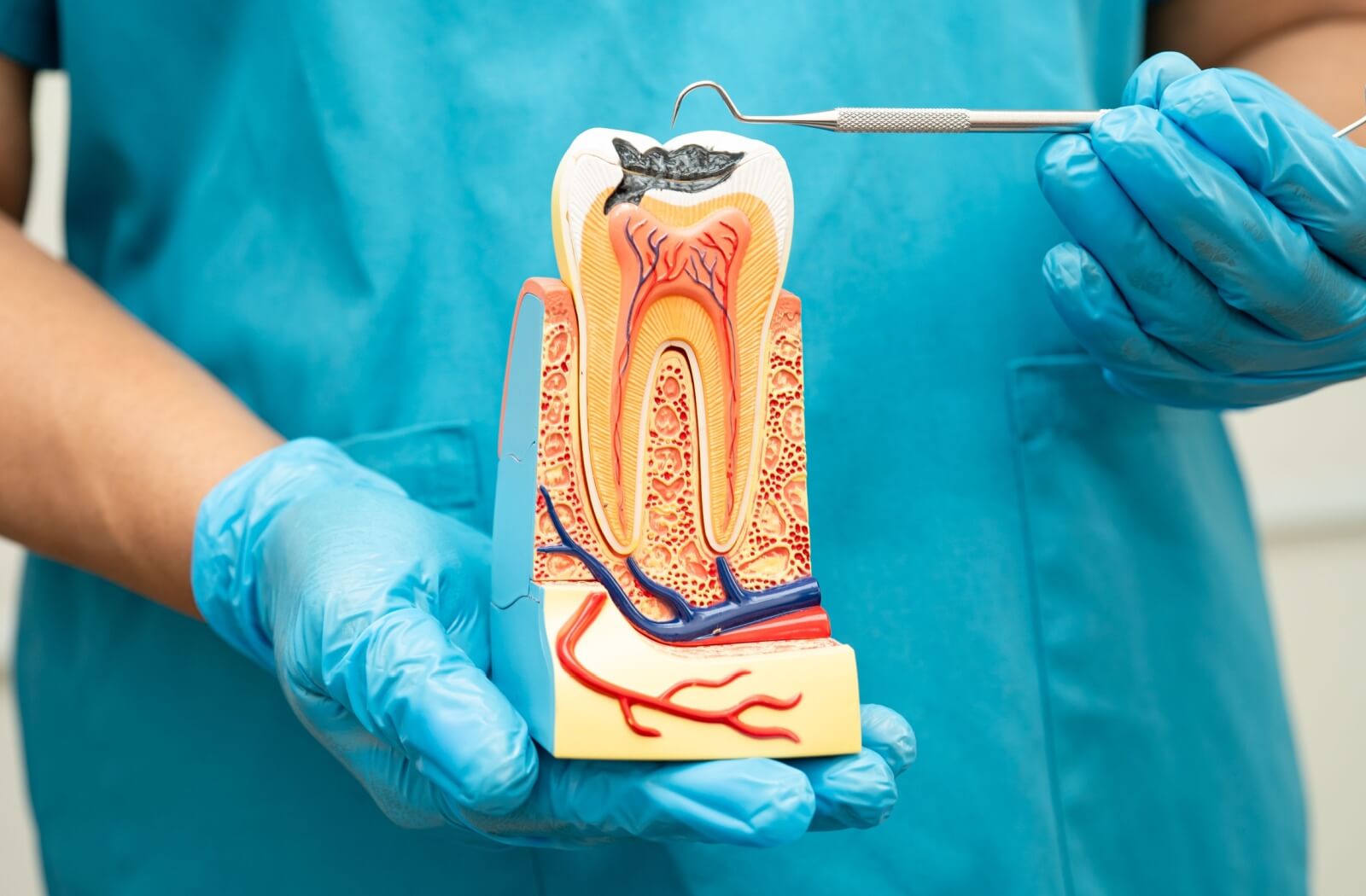
You probably associate a root canal with a severe toothache. While sharp or throbbing pain is a common signal, our team at Chinook Village Dental knows a tooth’s nerve can die without causing much discomfort at first. With that in mind, you might be wondering what other signs could point to an infection deep inside your tooth.
Signs you might need a root canal treatment include lingering sensitivity, swollen gums, tooth discolouration, a deep crack, or pain when you bite down.
Tooth Sensitivity That Lingers
When the discomfort from hot or cold foods sticks around long after you finish eating or drinking, it could be a sign of a problem. This is different from the quick sensitivity many people experience from time to time. This persistent sensation may suggest the nerve inside your tooth is irritated or damaged. Watch for:
- Sensitivity to hot items like coffee or soup
- A sharp sensation from cold items like ice cream or chilled drinks
- Discomfort that lasts for more than a few seconds
Swollen Gums and Tenderness
An infection in a tooth’s root can cause problems in the surrounding gum tissue. You might notice swelling or a small, pimple-like bump on your gums near the sore tooth. This happens because the infection is trying to find a way to drain.
A Pimple on the Gums
This bump, sometimes called an abscess or fistula, is a channel created by the infection to release pus. It may seem to come and go, but the underlying infection remains until it’s treated. This usually signals an infection from the tooth itself rather than the gums, and touching it might feel tender or cause a bad taste in your mouth.
What Swelling Indicates
Gums that are swollen, tender to the touch, or appear darker than usual around 1 specific tooth can indicate inflammation. This swelling can point to a problem happening beneath the surface, which may require specialized gum treatment.

A Darkened or Discoloured Tooth
An injury or an internal infection can damage a part inside your tooth called the pulp. When this happens, the tooth may turn a greyish-black colour as the internal tissue breaks down. This type of internal tooth discolouration happens from the inside out, making that tooth look noticeably different.
A Deep Crack or Chip
A significant crack or a deep chip can create an opening for bacteria to reach the inner layer of the tooth called the pulp. Even if the damage seems small on the surface, it might be deep enough to let bacteria inside and cause an infection.
When an Injury Needs a Closer Look
Any trauma to a tooth should be evaluated by a dentist as soon as possible. The Canadian Dental Association notes that sometimes the damage from an injury is not immediately visible, and problems can develop weeks or even months later. A dental exam can help find hidden cracks before they lead to bigger issues.
Specific Pain When You Eat or Touch the Tooth
This isn’t a dull, constant ache. Instead, you might feel a sharp pain when you put pressure on the tooth, like when you’re chewing or if you tap it with your finger. This specific pain might indicate that the ligaments and tissues around the tooth’s root are inflamed from an infection.
Referred Pain
An untreated infection in the tooth’s pulp can cause pain in other areas. You might feel discomfort in your jaw, ear, or neck on the same side as the affected tooth. This is because a tooth infection can spread and affect nearby nerves and tissues.
The Role of Your Dentist
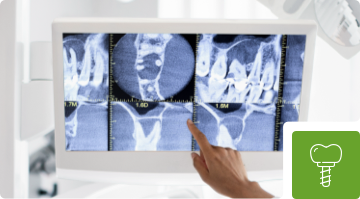
Our dentist in Calgary can examine your mouth and may take X-rays to help determine the cause of your symptoms. After that, our team can explain your options and get you on the path to feeling comfortable.
Schedule a Dental Exam
Catching a problem with your teeth early can make treatment simpler. If you are experiencing any of the symptoms mentioned, our team at Chinook Village Dental is here to help. Schedule an appointment to begin finding out the cause of your discomfort.