
You may have noticed a little pink in the sink after brushing your teeth. Or perhaps your gums feel a bit more sensitive than they used to. These small changes can be easy to ignore, but they are often your mouth’s way of telling you that something needs attention.
You may have gum disease if you experience bleeding, swollen or tender gums, persistent bad breath, or gums that seem to be pulling away from your teeth. Recognizing these signs early is the first step toward keeping your gums and teeth healthy.
What to Look For: Common Signs of Gum Disease
You can spot potential gum problems by paying attention to how your gums look and feel each day. A quick look in the mirror can tell you a lot about your overall oral health.
A Quick Check at Home
- Gums that bleed when you brush or floss
- Swollen, puffy, or tender gums
- Gums that appear bright red or purplish
- Bad breath that doesn’t go away
- Teeth that look longer because your gums have pulled back
What Healthy Gums Look Like
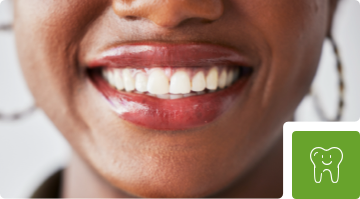
Healthy gums should feel firm—not soft or puffy. They fit snugly around your teeth like a collar. While the colour can vary from person to person, they are often a light pink shade.
Gingivitis & Periodontitis: What’s the Difference?
Gum disease happens in stages. The first stage is much easier to manage than the later stages, so it helps to know what sets them apart.
Reversible Gum Irritation (Gingivitis)
Gingivitis is the earliest form of gum disease. It’s caused by plaque buildup along the gumline that makes your gums irritated and swollen. The good news is that at this stage, the effects can often be reversed with diligent oral care.
Advanced Gum Disease (Periodontitis)
If gingivitis isn’t addressed, it can progress to periodontitis. At this point, the infection can start to damage the soft tissue and bone that support your teeth, which may cause them to feel loose.
What Causes Plaque Buildup & Gum Problems?
The main cause of gum disease is a sticky film of bacteria called plaque. When you don’t remove it, plaque can harden into tartar, a tough substance that irritates your gums.
Everyday Habits That Make a Difference
When you eat foods with starches and sugars, they interact with the bacteria in your mouth to form plaque. Brushing and flossing regularly helps remove this film before it can cause trouble.
Other Factors That Increase Your Risk
- Smoking or chewing tobacco
- Hormonal changes during pregnancy or menopause
- Genetics—some people are more prone to gum issues
- Certain health conditions, like diabetes
Can You Reverse Gum Disease?
Whether gum disease can be reversed depends entirely on its stage. Taking action as soon as you notice a problem is key to protecting your long-term oral health.
Turn Back the Clock on Gingivitis
Yes, gingivitis is reversible. With professional cleanings and a solid at-home oral hygiene routine, you can help get your gums back to a healthy state and stop the disease from progressing.
Manage Periodontitis for a Healthy Mouth
Once gum disease advances to periodontitis, it becomes a condition to manage rather than reverse. Professional treatment can control the infection and help stop it from causing more damage to your teeth and bone, contributing to your oral health for life.
Professional Care & Prevention
If you see signs of gum disease, a dental team can help. Your dentist in Calgary can assess your gums and recommend a care plan that’s right for you.
Deep Cleanings & Other Treatments
For mild cases, a deep cleaning procedure called scaling and root planing can be effective. This treatment removes plaque and tartar from below the gumline and smooths the tooth roots to help prevent bacteria from sticking. For more advanced situations, other gum disease treatments may be suggested to restore your gum health.
Simple Steps for Prevention
- Brush your teeth for 2 minutes, twice a day.
- Clean between your teeth daily with floss or another interdental tool.
- Replace your toothbrush about every 3 months.
Routine dental check-ups are also important. A professional cleaning helps remove tartar that you can’t get rid of at home, and your dentist can spot the earliest signs of trouble. Taking these simple steps is a great way to protect your smile.
Take Care of Your Gums
Keeping an eye on your gum health is an important part of your overall well-being. If you have questions or notice any of the signs discussed, our team at Chinook Village Dental is here to help. Schedule a visit to create a plan that keeps your gums healthy for years to come.