
Key Takeaways
- Sudden sensitivity often shows up as a quick zing from hot, cold, or sweet foods.
- Worn enamel can expose the more sensitive dentin beneath it, while receding gums can expose tooth roots.
- A new cavity, a small crack, or early gum disease can also be behind the feeling.
- Grinding, whitening products, and recent fillings can cause short-term discomfort.
- A soft-bristled brush and desensitizing toothpaste can help at home.
- Sensitivity that persists, keeps returning, or gets worse should be assessed.
What Sudden Tooth Sensitivity Feels Like
A sip of iced coffee can trigger a sudden, sharp zing in one tooth. The feeling may pass quickly, but new sensitivity is still worth noticing. Our team at Chinook Village Dental sees this concern regularly, including during routine exams and cleanings.
Sensitivity can appear suddenly when worn enamel, receding gums, a new cavity, a crack, or recent dental treatment leaves the inner part of a tooth more exposed than it used to be.
People often describe a sharp, quick zing that fades fast. It can happen when you eat something hot or cold, bite into something sweet, or breathe in cold air. Brushing and flossing can sting too, especially near the gumline.
Common Reasons Your Teeth Turned Sensitive
Worn Enamel & Receding Gums
Brushing hard with a stiff brush can contribute to enamel wear over time. Acidic foods and drinks can also contribute to tooth enamel loss, and receding gums can expose the root surface.
When gums recede, the root surface shows. Roots don’t have an enamel coating, so they react more to what touches them.
Decay, Cracks & Gum Problems
Sometimes the cause is something you can’t see yet. A cavity forming under the surface, a small crack in a tooth or a crown, or early gum disease can all set off new sensitivity.
Watch for these signs alongside the zing:
- Puffy or tender gums
- Gums that bleed when you brush
- A tooth that hurts more when you bite down
Habits & Recent Treatments
Grinding at night or clenching your jaw during a stressful week can leave teeth touchy by morning. Whitening products often cause sensitivity too, though it tends to be short-term.
Some tenderness after a recent filling can settle within about two weeks.

Does Sensitivity Change With Age?
It can. Sensitivity may become more common over time when gum recession, enamel wear, or other dental changes develop. But age itself is not the cause, and new sensitivity is worth checking rather than simply accepting as part of getting older.
Age doesn’t mean you’re stuck with it. Once the cause is identified, your dental team can recommend ways to manage the sensitivity.
How to Ease Sensitive Teeth at Home
A few small changes can take the edge off while you figure out what’s going on.
- Switch to a soft-bristled brush and let the bristles do the work instead of pressing hard.
- Try a desensitizing toothpaste, and ask your dental team whether a fluoride rinse would suit your daily routine.
- Cut back on acidic and sugary drinks like pop, sports drinks, and citrus juice.
How Long Sensitivity Usually Lasts
Discomfort tied to whitening often fades within a few days once you stop using the product.
Sensitivity that persists, keeps returning, or gets worse should be assessed. Home care can ease symptoms, but an exam is needed to identify the cause.
When Sensitivity Needs a Dental Exam
Some symptoms are worth quick attention. Book an appointment if you notice throbbing pain that keeps you up at night, swelling around a tooth or in your face, or a fever along with the discomfort.
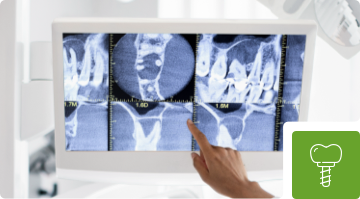
At a visit, the dentist can examine the tooth and use X-rays when needed to help identify the cause. From there, treatment might include a filling, a fluoride application, a night guard for grinding, or care for your gums.
Sensitive teeth are worth mentioning at your next cleaning, even if the zing only lasts a second. Our team at Chinook Village Dental is open seven days a week and offers care in English, French, Mandarin, Cantonese, Tagalog, and Thai.
Call to book your exam and find out what is causing the sudden sensitivity.