Key Takeaways
- Porcelain veneers are thin shells bonded to the front of your teeth.
- They cover cosmetic concerns like chips, gaps, and stains that whitening doesn’t lift.
- A veneer covers the front surface, while a crown covers the whole tooth.
- Enamel removal makes veneers a lasting choice, so planning matters.
- Cavities and gum concerns are treated before veneers are placed.
- Daily brushing, flossing, and regular checkups help keep veneers looking good.
Porcelain Veneers Explained
You smile in a photo, then zoom in and notice the chipped edge, the small gap, or the tooth that never seems to brighten no matter how much whitening toothpaste you use. That one detail sticks with you.
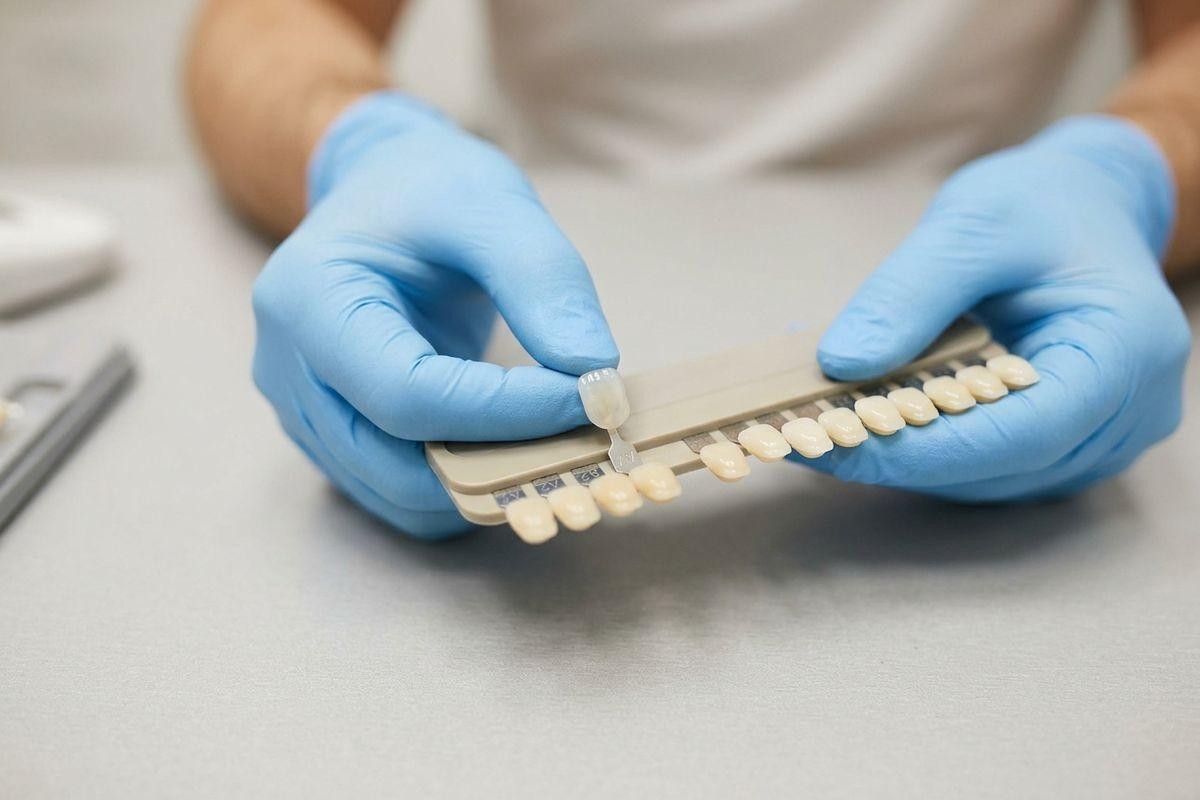
The team at Chinook Village Dental hears about that detail often. Porcelain veneers are thin shells bonded to the front of your teeth, custom-made to match your smile, and they’re a cosmetic option rather than a repair for damaged teeth. The team can talk through whether they suit what you’re hoping to change.
Veneers vs. Crowns
A veneer covers only the front surface of a tooth. A crown covers the whole tooth, all the way around. That difference shapes which option a dentist in Calgary, AB might suggest for you.
Cosmetic Concerns Porcelain Veneers Can Cover
Veneers work on the things you notice in the mirror every morning. Chips along the edge of a front tooth, small cracks, and edges worn flat over the years can all be covered.
Gaps and spaces between teeth are another common reason people ask about them, and so are stains that whitening simply doesn’t lift.
Small or Uneven Teeth
Some teeth look short next to the ones beside them, or the shape just seems off. Slightly uneven spacing or an odd shape can be covered by a veneer designed for that specific tooth.
What to Expect During the Veneer Process
The process happens in stages, and you’ll know what’s coming at each visit.
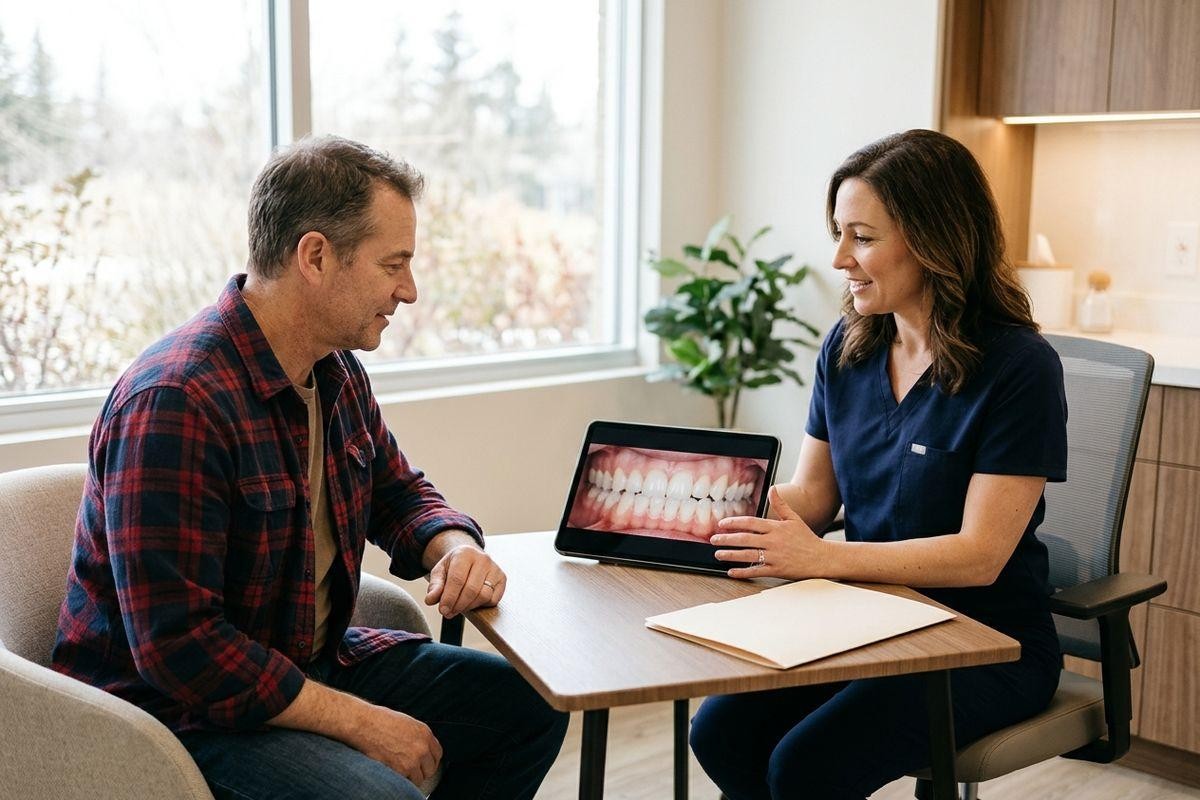
- A consultation, exam, and smile planning appointment where you talk through what you’d like to change.
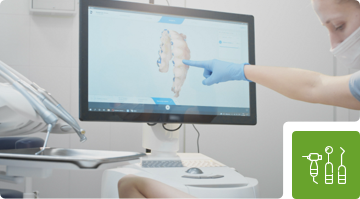
- Enamel prep and digital impressions, which capture the shape of your teeth without a tray of putty.
- A fit check, bonding, and bite adjustment so your teeth come together comfortably.
How the Appointments Feel
Freezing is often used during the prep visit, so the appointment tends to be quieter than people expect. Afterward, some short-term sensitivity to hot and cold is common.
Things to Think About Before You Choose Veneers
Because a small amount of enamel is removed, veneers are a lasting change. That’s worth sitting with before you commit. It’s also a good conversation to have during your consultation.
Gum disease or cavities are treated first. If you grind or clench your teeth, the team may adjust the plan or suggest a different approach.
Teeth Under Your Veneers
Your natural tooth stays right where it is, underneath the shell. Cavities can still form nearby, which is why brushing and flossing still matter just as much as before.
How to Care for Porcelain Veneers
Daily care looks familiar. Brush twice a day with a soft brush, floss once a day, and wear a night guard if grinding is part of your routine and the team suggests one.
Go easy on ice and hard candy, since chewing on either one puts pressure on the edges of your veneers that they weren’t made for.
Everyday Meals & Checkups
Slice apples into wedges instead of biting straight in. Keep up with regular exams and cleanings so the team can check how your veneers are holding up and catch small concerns early.
Talk Through Your Options
If you’ve been thinking about covering a chip, a gap, or a stain that hasn’t budged, the team at Chinook Village Dental can walk you through whether veneers fit your smile and your goals. Book a consultation and bring your questions, in English, French, Mandarin, Cantonese, Tagalog, or Thai.